Inwood Animal Clinic Blogs

Keeping It Cool: Tryon’s Tips for Summer Heat Safety

Hey there, friends! It’s Tryon, your favorite furry pal at Inwood Animal Clinic. It’s summer in New York City, which means sunshine, outdoor adventures, and long walks. Personally, I can’t wait for my daily stroll through Inwood Hill Park to see all the ducks on the lake—even if I’m not allowed to chase them anymore.
Rising temperatures can be dangerous for your four-legged companions. Knowing about heat-related issues and how to prevent them can help keep us safe all season long. That means more time for chasing du—I mean, summertime fun!
Why is summer heat dangerous?
The city has a dense grid of concrete and asphalt, which not only gets hot to the touch but also traps heat, making the ground right above it hotter than reported temperatures. Most of us pets don’t wear shoes to protect our paws, and almost all of us are in a permanent fur coat situation—a combination that isn’t ideal for staying cool.
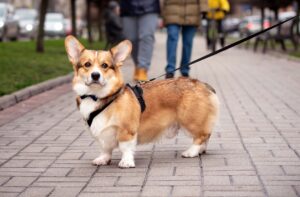
On top of that, dogs and cats can’t sweat like humans do, which means we’re more susceptible to hotter weather. Dogs’ primary way of cooling off is through panting, while cats like to lick themselves. But sometimes, that’s not efficient enough, and we can overheat quickly.
Which pets face the highest risk?
Some pets are built for speed and agility. Some are built for hunting, herding, or swimming. Personally, I’m built for a nice mid-day lap nap in the air conditioning while I dream about chasing ducks. But some pets just aren’t built for the heat.
My flat-faced friends with smooshed noses, senior pals, and overweight pets may have a harder time in hot, humid temperatures. Pets with heart or respiratory-related health issues may also be more likely to overheat.
While any dog or cat can overheat, pay close attention if your pet falls into one of these groups to prevent them from getting too hot.
How to tell if your pet is overheating
I’m sure I’m not alone in wishing pets could talk. This blog is nice, but I have to use bark-to-text, and it never gets it right the first time. Since the technology isn’t there yet, it’s up to pet parents to notice early signs that we’re overheating. Signs to watch for include:
- Heavy panting
- Seeking out shade or cool spots to lie down
- Drooling
- Whining
- Reluctance to play
If early warnings are missed, mild overheating can quickly advance to heatstroke. Signs of heatstroke include:
- Labored breathing
- Vomiting
- Dark red gums
- Sudden weakness
- Confusion
- Collapse
- Seizures
Early warning signs are especially difficult to miss in cats, who might groom themselves more, breathe with their mouths open, drool, or behave unusually.
It’s important to keep an eye on your pet so you can recognize signs as quickly as possible.
What to do during a heat emergency
Most dogs I know would rather keep playing than head home early, no matter how hot it is. But no game of fetch or jog around the city is worth getting sick from. If your pet starts showing signs of overheating, don’t panic—but don’t wait, either.
Immediately move your pet to an air-conditioned area. Wet their coat with cool (never cold) water, making sure to get through thicker coats down to the skin. Then call Inwood Animal Clinic or head to the nearest veterinary hospital as quickly as possible. Heatstroke is serious business, and getting immediate help can save your pet’s life.
Simple ways to keep cool
My friends at Inwood Animal Clinic and I have put together a list of ways to keep your pet cool and safe when it’s hot out. Follow these tips:
- Always test the sidewalk with the back of your hand; if it’s too hot for you, it’s too hot for paws.
- Limit outdoor activity to early morning or late evening, since midday is typically the hottest.
- Stick to the shade when possible.
- Avoid strenuous exercise and rest frequently.
- Stop for water breaks as often as possible.
- Use cooling mats and well-placed fans.
- Make fun, pet-safe frozen treats or freeze your pet’s favorite toy.
- Avoid unsupervised outdoor time, and never leave your pet in a car.
- Remember that manhole covers and subway platforms can get extremely hot.
- Maintain regular grooming for dogs and cats
- Monitor your pet closely for signs of heat exhaustion or heatstroke.

Keeping your pet cool in the heat can help ensure a fun, safe summer. To be extra safe, schedule a wellness exam with my friends at Inwood Animal Clinic to ensure your pet is healthy and ready for the warm weather. Now, if you’ll excuse me, I have to go plan my duck-chasing strategy.
Until next time,
-Tryon