Inwood Animal Clinic Blogs

Mystique’s Guide to Arthritis: Why Your Pet Isn’t “Just Getting Old”

Hello again, humans. Mystique here—resident feline, professional observer, and seemingly the only member of Inwood Animal Clinic who understands the importance of a proper afternoon nap. Lately, I’ve overheard quite a few conversations around the clinic that begin the same way: “He’s just slowing down.” “She’s getting older.” “I figured it’s all just part of aging.”
Now, I may spend a respectable amount of time lounging in sunbeams, but even I know there’s a difference between enjoying a good nap and not wanting to stand up due to pain. Today, we’re talking about arthritis—a condition that’s incredibly common in both dogs and cats, yet surprisingly easy to overlook. Leave it to your knowledgeable neighborhood feline to clear up a few common misconceptions.
What is arthritis in pets?
Arthritis is inflammation of the joints. Over time, the smooth cartilage that cushions the bones making up a joint can wear down. Instead of gliding comfortably, the bones rub together, causing pain, stiffness, and decreased mobility. Not exactly pleasant.
While arthritis becomes more common as pets get older, it isn’t simply part of “old age.” It’s a serious medical condition. I’ve heard the veterinarians at Inwood Animal Clinic diagnose this countless times, yet many pet parents are surprised to learn their pet has been living with chronic pain for months—or even years.
Dogs aren’t the only ones who get arthritis
I’ll say that dogs certainly know how to announce that something hurts. But cats? We prefer subtlety. Many people overlook arthritis in cats because we rarely limp or cry out. In reality, arthritis is extremely common in older cats. The difference is, we simply adapt. We’re masters of pretending everything is perfectly fine.
Instead of making a dramatic production, we quietly stop doing the things that have become uncomfortable. That tall bookshelf we loved to climb? Perhaps it wasn’t that interesting anyway. The top of the cat tree? Overrated. Your lap? Still acceptable—provided you understand that once we’ve settled in, you no longer have permission to move. See? Adaptation.
Signs your pet might have arthritis
Pain in my fellow four-legged pals doesn’t always look the way pet parents expect. Some pets don’t limp at all. Instead, our personalities or daily routines begin to change.
Dogs with arthritis may:
- Walk more slowly
- Struggle getting up after resting
- Hesitate before climbing stairs or jumping into the car
- Tire more quickly on walks
- Limp, especially after exercise
- Become irritable when touched around sore joints
Cats may:
- Jump onto furniture less often
- Sleep more than usual
- Avoid stairs
- Have trouble getting into the litter box
- Stop grooming certain areas
- Become less interested in playing
- Seem grumpier than usual (Although, to be fair, some of us are naturally a little grumpy.)
The important thing is noticing changes. If your pet’s habits have shifted over time, it may warrant a visit to the clinic.
Which pets are most at risk of arthritis?
Age is certainly a factor, but it isn’t the only one. Large-breed dogs often place more stress on their joints throughout life. Previous injuries, orthopedic conditions like hip dysplasia or cruciate ligament tears, and excess body weight can all increase the risk of arthritis.
Cats are no exception. As we grow older, years of climbing, jumping, sprinting through the house at 3 a.m., and pretending we weren’t the ones who knocked over the plant can eventually take their toll. Unfortunately, arthritis can even affect younger pets on rare occasions if they’ve experienced joint injuries or developmental problems. 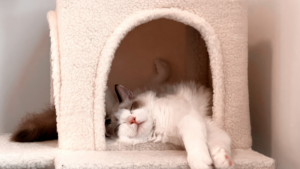
How veterinarians diagnose arthritis
Even a cat with excellent observational skills like mine knows that diagnosing arthritis takes more than noticing a stiff walk. The veterinarians begin with a thorough physical exam, evaluating your pet’s gait, flexibility, muscle mass, and range of motion. Depending on the situation, they may also recommend X-rays to evaluate changes within the joints and rule out other causes of pain.
The earlier arthritis is identified, the sooner treatment can begin—which often means a better quality of life.
Arthritis treatment isn’t one-size-fits-all
Arthritis may not have a cure, but that doesn’t mean your pet is destined to spend their golden years lying around. That’s my area of expertise, and I do it by choice. With the right treatment plan, many pets can continue enjoying walks, playtime, and everyday life much more comfortably.
Your veterinarian may recommend:
- Prescription pain medications designed specifically for pets
- Joint supplements
- Therapeutic diets that support joint health
- Weight management, when appropriate
- Physical rehabilitation or therapeutic exercises
- Laser therapy or other supportive treatments
- Home modifications to reduce strain on painful joints
Many pets benefit from combining several of these approaches into one personalized treatment plan. The goal isn’t necessarily to make your pet act like they’re 2 years old again. It’s to help them move comfortably, stay active, and continue enjoying life.
A comfortable pet is a happier pet
 Growing older is a privilege, and every gray muzzle and distinguished whisker tells the story of a life well lived. Arthritis may be common, but pain doesn’t have to be accepted as “just part of getting older.”
If you’ve noticed your dog slowing down or your cat quietly giving up favorite activities, schedule an appointment with the team at Inwood Animal Clinic. Together, we can help your pet stay comfortable, mobile, and ready for many more adventures—or naps.
Now that my work here is done, I’m heading back to my favorite windowsill. Clearly, those birds aren’t going to supervise themselves.
Until next time, my two-legged friends,
— Mystique