Inwood Animal Clinic Blogs

Pancreatitis in Dogs: When an Upset Stomach Is Something More
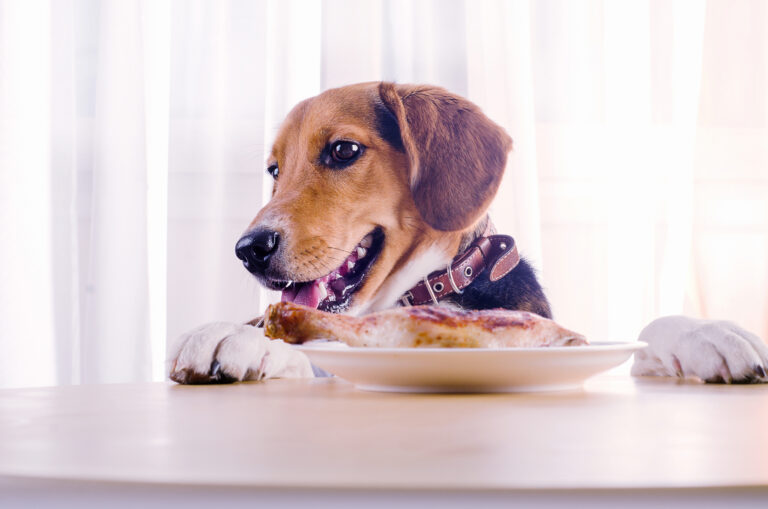
You wake up to the dreaded sound of your dog retching. They skip breakfast and still have no appetite at dinnertime. Even worse, they now seem uncomfortable around their belly. Is it just an upset stomach—or something more?
Sometimes it’s just an upset stomach. But when vomiting, appetite loss, and abdominal pain stick around, or if your dog seems sicker than you’d expect, they may have pancreatitis.
As the holiday season approaches, our homes will be filled with rich foods and well-meaning visitors, creating opportunities for curious dogs to snag treats they normally wouldn’t eat. While pancreatitis is a year-round possibility, knowing what causes it and how it can affect your dog will be especially helpful as we head into a season full of tempting foods.
What is pancreatitis?
Pancreatitis is inflammation of the pancreas, a small but important organ located near the stomach and small intestine. Among its many jobs, it produces digestive enzymes that help break down food.
These enzymes normally remain inactive until they reach the small intestine. However, pancreatitis causes the enzymes to activate early, further irritating the pancreas and surrounding tissues. The result can range from relatively mild digestive upset to a serious illness requiring hospitalization.
Why do dogs develop pancreatitis?
Although certain situations can increase a dog’s risk for pancreatitis, there often isn’t a clear reason. Factors that can increase the likelihood of pancreatitis include:
- Eating a particularly fatty or rich meal
- Getting into the trash or eating unfamiliar foods
- Obesity
- High levels of fat in the blood
- Certain medications or underlying medical conditions
- Previous history of pancreatitis
Some breeds, such as schnauzers, have a genetic predisposition to pancreatitis.
What does pancreatitis look like?
Pancreatitis may not announce itself in a dramatic manner. In mild cases, your dog may simply seem “off.” You may notice them turning away from food, acting more tired than usual, or seeming uncomfortable. Other signs include:
- Vomiting
- Diarrhea
- Pain
- Lethargy
Unfortunately, these symptoms overlap with those of many other illnesses. Any time your dog is vomiting and refusing food for more than 24 hours, a vet visit is warranted.
How is pancreatitis diagnosed?
Diagnosing pancreatitis takes a little detective work. Our veterinary team will start by asking questions to help narrow down the issue. Next, we’ll perform a thorough exam to check for dehydration, fever, abdominal discomfort, and other abnormalities.
We often recommend blood work to identify inflammation, dehydration, electrolyte changes, and other abnormalities. If we suspect pancreatitis, we’ll also recommend a specific test that measures pancreatic activity. Depending on your dog’s symptoms, we may also recommend abdominal X-rays or an ultrasound.
Rather than relying on one single result, we often put several pieces of the puzzle together to determine whether pancreatitis is the most likely culprit.
How is pancreatitis treated?
Treatment depends heavily on how sick your dog is. A mildly affected dog may be able to recover with a restricted diet and medications to ease nausea and pain. However, more severe cases may require hospitalization with intravenous fluids, injectable medications, and closer monitoring.
Nutrition will also play an important role in recovery. Once vomiting is controlled and your dog’s appetite returns, they can gradually return to their normal diet, starting with small amounts of easily digestible, low-fat food.
Fortunately, most dogs recover well, especially when pancreatitis is recognized and treated early. Some dogs have one episode and never experience another, while others develop repeated flare-ups or chronic pancreatic inflammation. Dogs with chronic pancreatitis may require long-term dietary changes, weight management, or treatment for an underlying condition.
How to prevent pancreatitis
Although you can’t prevent every case of pancreatic inflammation, avoiding situations known to increase your dog’s risk can help keep them healthy. To avoid spending the holiday season with a sick pup, keep these tips in mind:
- Don’t share rich, fatty foods with your dog. Try to resist their pleading eyes and limit treats to ones that don’t typically cause problems.
- Store leftovers in the refrigerator immediately after dinner, where your pup can’t reach them.
- Take the trash out right away, and ensure your trash cans have tight-fitting lids so your dog can’t go dumpster diving.
If your dog’s upset stomach seems like something more serious, our Inwood Animal Clinic team is here to help. If pancreatitis is the problem, addressing dehydration, nausea, and pain early can make your dog much more comfortable—and help them feel like themselves again.
