Inwood Animal Clinic Blogs

Pet Poison Prevention: Tales from a Curious Pup
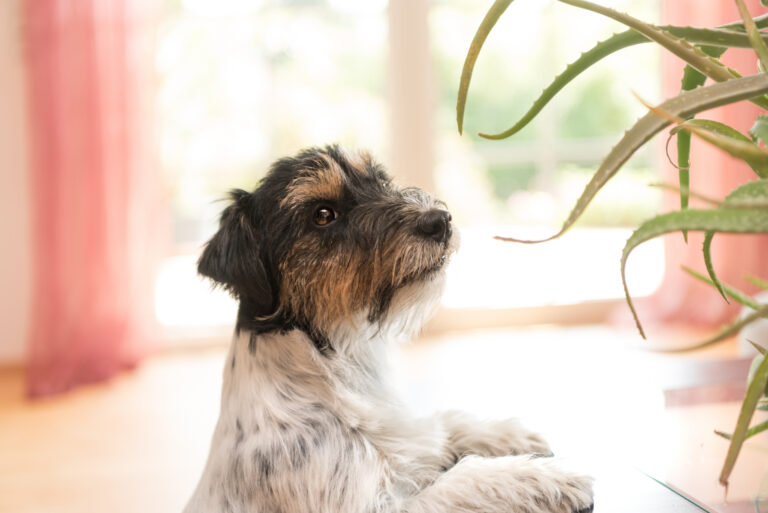
Hi friends! It’s Tryon—your favorite neighborhood pup! Did you know that March is Pet Poison Prevention Month? As a dog who has “investigated” more than a few items that I probably should not have, I’ve learned the hard way that some things are not as harmless as they seem.
Let’s learn from my mistakes! I’m here to help pet parents like you recognize things that can make your pets sick, many of which are hiding in plain sight. Here are eight household items that can cause accidental poisoning, and how to keep curiosity from harming your furry pal.
 1. Xylitol
Xylitol is a sugar substitute found in some human foods, such as sugar-free gum, mints, toothpaste, and sometimes peanut butter. It doesn’t cause any problems forpeople, but it can crash a dog’s blood sugar level really fast—making them feel weak or even causing seizures. Small amounts can be life-threatening, so pet parents should always check labels before sharing snacks.
2. Human medications
I once ate something called ibuprofen (Advil) when my mom dropped it on the floor, and then I had to take a trip to the emergency vet. It turns out that many human medications, even the ones that are safe to give to human kids—like acetaminophen (Tylenol) and over-the-counter cold medications—are toxic to pets. Store your medications in locked cabinets, and never give your pet anything unless a veterinarian tells you it’s safe.
3. Toxic plants and flowers
Houseplants are pretty, but I’ve heard that some are really dangerous. Sago palms, daffodils, lilies, and lots of other plants can be toxic to dogs and cats. One quick nibble on the wrong plant can lead to really unpleasant drooling, vomiting, or worse. If you’re not sure whether your greenery is pet-safe, check the ASPCA Animal Poison Control Center’s list of toxic plants.
4. Pest control products
I don’t mess with rats, but some people use rodent bait or pesticides to keep critters away. The problem is, rat poison smells like food, and dogs love it. Rodenticides are powerful, and they can cause internal bleeding, tremors, brain swelling, or serious organ damage. Keep your pets on a leash when you’re out and about, and talk to your building management about using pet-safe pest control methods.
5. Cleaning products
What respectable dog doesn’t enjoy dirtying up a freshly cleaned house? Just make sure your pets don’t “help” you clean up their mess. Many household cleaners, including bleach, ammonia, and disinfectants, contain toxic substances that can harm our lungs, intestinal tract, or skin. Use cleaning products in well-ventilated areas and wait for surfaces to dry before letting your furry friends back into the room. When you put cleaning products away, don’t forget to store them in a locked cabinet or on a high shelf.
6. Antifreeze
Antifreeze contains ethylene glycol, which is great for cars but toxic to pets. It can leak from cars and puddle in streets or driveways, and its sweet taste can be tempting to pets. Just one lick can cause life-threatening kidney damage. Pet poison prevention starts with vigilance and supervision, at home and on winter walks. Keep your pet on a leash at all times and don’t let them eat any “treats” that they may find outside.
7. Human foods
We already talked about xylitol, but apparently, many other everyday foods are unsafe for pets. I’m still not convinced, but my family insists it’s why I can’t have chocolate. I guess grapes, raisins, onions, and macadamia nuts are dangerous too, causing problems from minor stomach upset to organ failure. The next time you have a picnic at Fort Tryon Park, pack some separate pet-safe snacks.
8. Household items
You’d be surprised what some dogs—not me, of course—will chew on or eat. We’re talking batteries, coins, dryer sheets, glow sticks—you name it. Many of these household items are toxic or can lead to intestinal blockages. Assume your dog’s nose and lack of willpower will get them into trouble. Keep main areas clutter-free, or use baby gates to keep your pet away from temptation.
When in doubt, call the experts
I know better than anyone that sometimes, you can do everything right, but accidents still happen. Learn the signs of pet poison exposure, like drooling, vomiting, weakness, lethargy, and acting “off,” and what to do if you think your pet ate or came into contact with something dangerous.
There are also two pet poison hotlines, just like for people. You can call either one to find out whether something your pet ate could make them sick. If they need emergency care, the professionals at the hotline can help guide our veterinary team or the veterinarians at an emergency hospital.
- ASPCA Animal Poison Control Center: (888) 426-4435
- Pet Poison Helpline: 800-213-6680
If there’s a toxin involved, it’s always better to be safe than sorry. When in doubt, call the Inwood Animal Clinic team or a local veterinary emergency center. We pets don’t always make the best choices, but our loving parents can help to keep us safe.
Always curious,
-Tryon